United States forces are conducting an urgent aerial search for a missing weapons systems officer from an F-15E Strike Eagle shot down over southern Iran, with time running critically short due to limited survival supplies and the likelihood of Iranian forces actively pursuing the downed crew member.
The search comes after the successful rescue of one crew member from the same aircraft, confirming that at least one person survived the shoot-down and ejection.
The second remains unaccounted for, and every hour that passes reduces the chances of recovery before capture or worse.
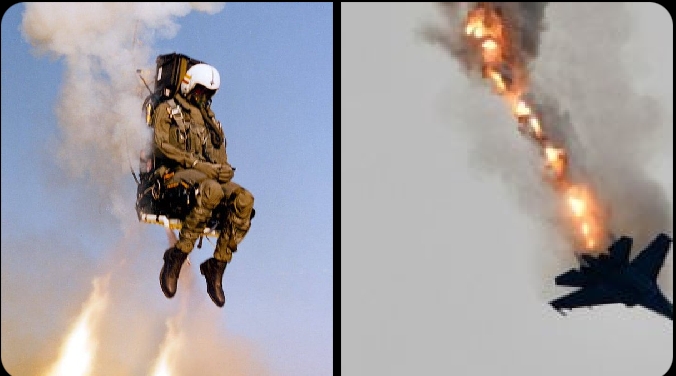
The update, shared by a Middle East war coverage account and accompanied by stock images of a pilot ejecting and a fighter jet engulfed in flames, outlined the protocols and challenges involved in the operation.
The missing officer is presumed to have ejected and survived the initial shoot-down, meaning SERE training, which stands for Survival, Evasion, Resistance, and Escape, becomes the primary factor determining whether he remains free long enough to be found. SERE-trained personnel are equipped with survival gear including radios, GPS beacons, water purification tablets, and signal flares, and are drilled extensively on how to evade capture in hostile environments.
But training and equipment only go so far. Southern Iran is not a neutral wilderness. It is controlled territory where Iranian military and paramilitary forces operate freely, and where any foreign military presence is treated as an immediate threat.
The downed crew member is not hiding in a forest waiting for rescue. He is evading an adversary that knows he is there, knows roughly where he came down, and is actively searching for him with far more resources on the ground than the United States can deploy from the air.
The report made clear that no US ground troops are involved in the search, a detail that highlights both the limitations and the risks of the operation.
Aerial search and rescue missions rely on helicopters, reconnaissance drones, and satellite imagery to locate the missing person and coordinate extraction, but without boots on the ground, the ability to secure a landing zone or provide direct protection during pickup is severely constrained. If the missing officer is located, the extraction itself will be one of the most dangerous phases of the operation, conducted under the threat of anti-aircraft fire and potential ambush.
Time is the other enemy. Survival gear extends the window, but it does not eliminate the clock. Dehydration, exposure, injury, and the psychological strain of evading capture all degrade a person’s ability to continue moving and hiding. The longer the search takes, the more likely it becomes that the officer is either captured or forced into a position where rescue is no longer feasible….See More







Leave a Reply