
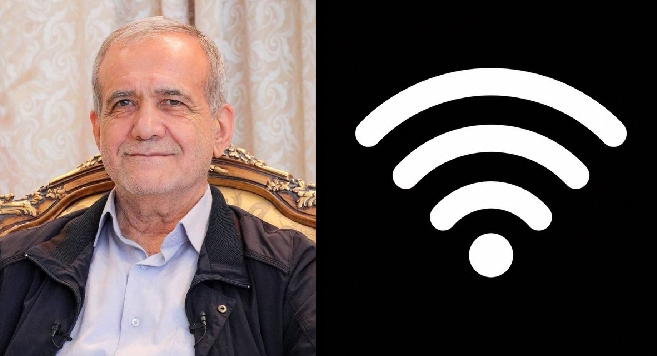
Iran’s President Masoud Pezeshkian has ordered the restoration of international internet access, ending a near-90-day blackout that cut most Iranians off from the global web. The directive, reported Monday by Iranian state media citing the head of public relations at the Communications Ministry, comes after 87 days of digital isolation.
According to the internet observatory NetBlocks, most Iranians have been unable to access the worldwide web since late February, with only a small number able to use expensive and advanced VPNs to circumvent the restrictions. Authorities had imposed the blackout following the start of U.S. and Israeli strikes against Iran on February 28, 2026. The move extended a pattern of restrictions that began earlier in January during nationwide anti-government protests.
The mechanism for how and when Iran will reconnect to the global web remains unclear. State media announced the order but did not specify a timeline or technical steps for restoring service. By Tuesday, some Tehran residents said they had not noticed significant improvement in connectivity.
Iran first imposed a nationwide internet blackout on January 8 in response to anti-government demonstrations. Connections gradually returned to normal in February before being cut again after U.S. and Israeli strikes began on February 28.
During the blackout, authorities relied on a state-controlled intranet to provide limited services, including online schooling. Access to the global internet in Iran is normally heavily restricted through censorship of websites, social media platforms, and messaging apps.
The latest shutdown was framed by officials as a security measure in response to the war with the U.S. and Israel. But analysts say the decision also reflected internal power struggles between reform-minded officials and hard-liners in the security establishment.
Pezeshkian’s order appears to signal an attempt to ease restrictions as diplomatic talks with the U.S. progress. The president “is not the main decision maker,” said Mehdi Yahyanejad, a board member of NetFreedom Pioneers. “He is trying to create the atmosphere that [the reopening] would happen” once a peace agreement with the U.S. is reached. d81c
Final authority over internet restrictions lies with Iran’s Supreme National Security Council, which includes Pezeshkian and commanders from the Islamic Revolutionary Guard Corps. That means the president’s directive may face resistance from conservative factions that view unrestricted internet access as a security risk.
One Tehran resident told the Wall Street Journal that while some restrictions might ease, “many things will still remain filtered” and life would not return to pre-war conditions.
The 87-day shutdown disrupted daily life, business, education, and communication for millions. Iranians were largely limited to a “national internet” of state-approved websites, cutting off access to global news, academic resources, and international messaging platforms.
Businesses that rely on international transactions, freelancers, and students were among the hardest hit. Many turned to costly VPNs, which became less reliable as authorities intensified filtering….See More






Leave a Reply