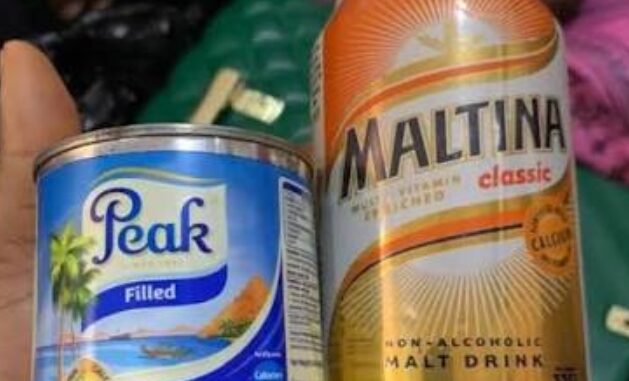
In many Nigerian households, a mix of malt drink and evaporated milk is used as a homemade remedy after blood donation, illness, or fatigue. The belief that it “gives blood” has been around for decades, reinforced by cultural marketing and the drinks’ rich, dark-brown appearance. But nutrition and hematology tell a more precise story.
Where the belief comes from.
Malt drinks were introduced in Nigeria in the mid-20th century as “fortified” energy beverages for children and people recovering from illness. When combined with evaporated milk, a common source of protein and calcium, the mixture became a low-cost supplement. The deep color of malt and the creamy texture of milk created a visual link to blood. In nutrition, appearance doesn’t determine function, but the association stuck.
Red blood cell production happens in the bone marrow and depends on specific nutrients: iron to make hemoglobin, folic acid and vitamin B12 to support cell division, and protein as a building block. If any of these are deficient, anemia can develop.
Analysis of popular Nigerian malt brands shows they contain B-vitamins and sugars, but iron content is very low—usually less than 1 mg per serving. Evaporated milk provides protein, calcium, and some B12, but little iron. More importantly, high calcium intake can reduce iron absorption when consumed at the same time. So drinking large amounts of milk with an iron-rich meal may make iron less available to the body.
What works for low blood count.
To improve hemoglobin levels, clinicians recommend:
Iron-rich foods: liver, red meat, fish, beans, lentils, and dark leafy vegetables like ugwu and spinach.
Vitamin C: citrus, guava, and bell peppers help increase iron absorption when eaten with plant-based iron sources.
-Folic acid and B12: found in fortified grains, eggs, meat, and dairy.
For diagnosed iron-deficiency anemia, doctors may prescribe supplements or arrange a blood transfusion if levels are critically low.
Why the “revival” effect happens.
People often feel more alert after drinking malt and milk during fatigue or faintness. The reason is sugar, not blood volume. Malt drinks are high in maltose and other sugars, which raise blood glucose quickly. If someone is hypoglycemic or mildly dehydrated, that glucose spike can produce a temporary energy boost. This is a metabolic response, not a replacement for lost blood or treatment for trauma.
Giving liquids to someone who is semi-conscious, injured, or in shock carries a real risk of aspiration—when liquid enters the lungs instead of the stomach. This can cause choking or pneumonia. In accidents, electric shock, or severe bleeding, the priority is professional medical care. Oral intake should wait until a clinician says it’s safe.
Malt and milk provide calories, B-vitamins, protein, and calcium, and can be part of a balanced diet. But they do not contain enough iron to treat anemia, and calcium can interfere with iron absorption. For blood health, focus on iron-rich foods, vitamin C, and medical guidance. In emergencies, call for help rather than relying on home remedies. So the story is false…See More







Leave a Reply