Israeli Prime Minister Benjamin Netanyahu has accused Hezbollah of attempting to sabotage the US-brokered ceasefire between Israel and Lebanon, as tensions persist despite ongoing peace efforts.
The truce, which began as a 10-day agreement in mid-April 2026, was later extended by three weeks to allow space for negotiations aimed at securing a broader and more lasting settlement.
According to reports shared by BRICS News, a geopolitics-focused independent account with over two million followers, Netanyahu alleged that Hezbollah is deliberately violating the ceasefire in an effort to disrupt progress toward what he described as a potential “historic peace” between Israel and Lebanon.
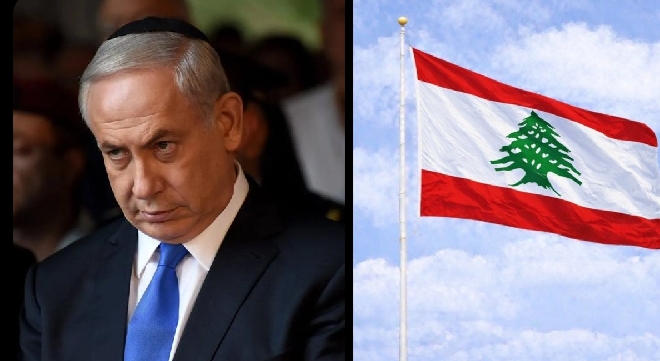
The report included images of Netanyahu and the Lebanese flag, underscoring the diplomatic stakes of the moment.
Israeli forces have carried out targeted strikes in southern Lebanon in recent days, stating that the actions were in response to ceasefire violations.
Israeli officials claim that Hezbollah fighters have continued limited military activities in restricted zones, prompting defensive responses.
Lebanese authorities and Hezbollah representatives have not fully endorsed Israel’s version of events, contributing to ongoing disputes over who bears responsibility for the renewed clashes.
The ceasefire, brokered by the United States, was initially welcomed as a critical step toward de-escalating hostilities along the Israel-Lebanon border.
The extension of the truce was intended to create diplomatic breathing room for indirect talks focused on border security, military disengagement, and broader regional stability.
Netanyahu has maintained that Israel remains committed to pursuing peace, even while taking what he describes as necessary security measures.
He stated that efforts toward a breakthrough agreement with Lebanon continue despite what he characterized as interference by Hezbollah.
The group, which holds significant influence in Lebanon’s political and military landscape, has historically opposed normalization or direct agreements with Israel.
The situation reflects the fragile balance between military deterrence and diplomatic engagement in the region. Southern Lebanon has long been a flashpoint, particularly following past conflicts between Israel and Hezbollah. Any breakdown in the current truce could risk broader escalation involving regional actors….See More




Leave a Reply