
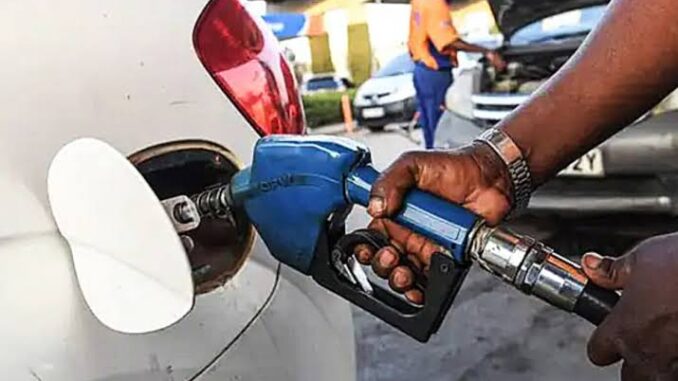
A list of April 2026 petrol prices in select African countries shows Libya selling fuel at three cents per litre, Angola at thirty-three cents, Algeria at thirty-five cents, and Nigeria at eighty-nine cents, according to data from globalpetrolprices.com dated April 6.
The figures place Nigeria among the most expensive countries for petrol on the list despite being one of Africa’s largest oil producers, a paradox that has defined Nigerian energy policy for decades and that became even more pronounced after the removal of fuel subsidies in 2023.
Libya, Angola, and Algeria, all oil-producing nations, maintain heavy subsidies that keep domestic fuel prices far below market rates, a policy choice that Nigeria abandoned in favour of subsidy removal that was supposed to free up fiscal resources but has instead left citizens paying prices that are multiples of what their counterparts in comparable countries pay.
The data showed Gabon topping the provided group at one dollar and five cents per litre, but the focus of public reaction was squarely on the gap between Nigeria and the subsidised producers.
The fact that Libya, a country that has experienced civil war, political instability, and the collapse of state institutions, can still sell petrol at three cents per litre while Nigeria charges eighty-nine cents is being interpreted not as a reflection of market efficiency but as evidence of policy failure and misplaced priorities.
Replies to the post were dominated by Nigerians reporting that the listed figure of eighty-nine cents, approximately one thousand three hundred naira at current exchange rates, does not reflect the reality on the ground. Users shared screenshots and anecdotes of petrol selling for one thousand two hundred to one thousand five hundred naira per litre at filling stations across Lagos, Abuja, and other cities, suggesting that either the globalpetrolprices.com data is outdated or based on official rates that do not account for scarcity, black market premiums, or regional variations.
The gap between the listed price and the actual price being paid adds another layer of frustration to a conversation that is already charged with anger over the cost of fuel and the government’s handling of energy policy.
The comparison to Libya is particularly galling for Nigerians because it highlights the choice that governments make between subsidising fuel to keep it affordable for citizens or removing subsidies to reduce fiscal burden and align domestic prices with international markets. Libya chose subsidies despite being a fractured state with limited governance capacity. Nigeria chose subsidy removal despite being a more stable and economically diversified country with greater fiscal resources. The result is that Libyan citizens, who face far greater challenges in almost every other area of life, pay a fraction of what Nigerians pay for fuel, and the burden of that cost in Nigeria is borne almost entirely by the population rather than being absorbed by the state….See More

Leave a Reply