
Cement prices in Nigeria have surged to twelve thousand naira per fifty-kilogram bag, a sharp increase from eleven thousand to eleven thousand five hundred naira just weeks ago, according to reports confirmed by market updates and coverage from outlets including Punch.
The price jump, driven by higher energy costs, fuel expenses, and logistics pressures amid Nigeria’s ongoing inflation and naira depreciation, has sparked widespread concern about the affordability of construction and housing in a country where millions of people are already priced out of homeownership and where rent increases are making urban living unsustainable for low and middle-income households.
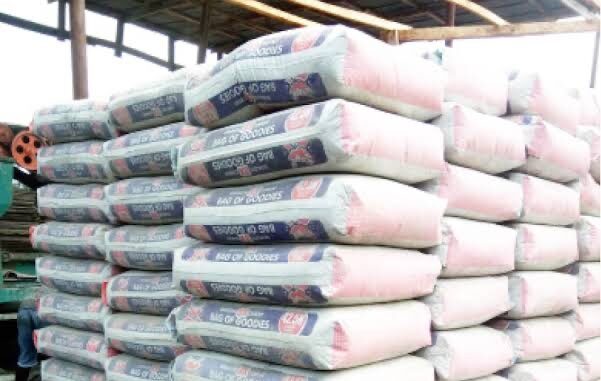
NigeriaStories broke the news with a warehouse stock image of bagged cement, a visual that immediately communicated the scale and impact of the price increase to audiences who understand that cement is not a luxury item. It is the foundation, literally, of any construction project.
Whether you are building a house, a school, a shop, or repairing existing structures, cement is non-negotiable. When the price of cement rises by nearly ten percent in a matter of weeks, the cost of every construction project rises with it, and the people who cannot afford to build at eleven thousand naira per bag certainly cannot afford to build at twelve thousand.
The drivers of the price increase are familiar. Energy costs have climbed as electricity supply remains erratic and diesel prices stay elevated. Cement production is energy-intensive, requiring consistent power for grinding, heating, and processing raw materials.
When manufacturers cannot rely on grid electricity, they turn to diesel generators, and the cost of diesel gets passed directly to consumers. Fuel prices more broadly affect transportation and logistics, meaning that moving cement from factories to distributors to retailers adds layers of cost at every stage.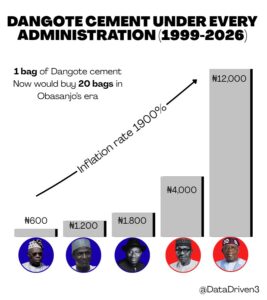
The naira’s weakness against the dollar also plays a role, particularly for manufacturers who import machinery, spare parts, or other inputs priced in foreign currency.
The result is a construction sector that is increasingly inaccessible to ordinary Nigerians. Twelve thousand naira per bag means that building even a modest two-bedroom house now requires a cement budget that runs into millions of naira before accounting for sand, gravel, iron rods, roofing materials, labour, and every other component of construction. For a country where formal mortgage systems are underdeveloped and most people build incrementally as savings allow, the rising cost of cement effectively halts or indefinitely delays projects that families have been working toward for years…See More





Leave a Reply