The European Union has identified Nigeria as Africa’s highest food waster, with an estimated thirty-eight million tonnes of food lost annually, a figure that was shared at an event marking International Zero Waste Day in Abuja.
The designation, reported by NigeriaStories, has sparked widespread frustration and disbelief among Nigerians who are struggling with some of the highest food prices in recent memory and watching millions of their fellow citizens go hungry despite living in a country that produces vast quantities of agricultural output.
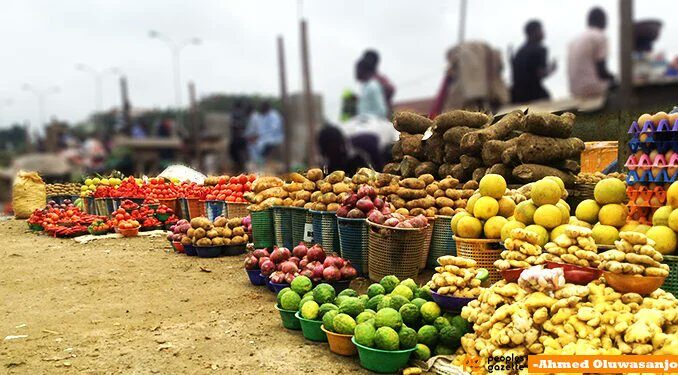
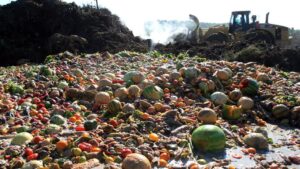
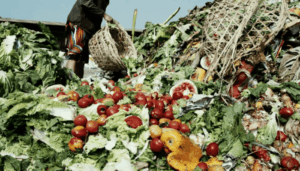
The bulk of the waste does not come from households throwing away leftovers or restaurants discarding unsold meals. It comes from post-harvest spoilage of perishable crops including fruits, vegetables, yams, cassava, and tomatoes. These products rot in fields, during transport, or in markets because Nigeria lacks the cold storage infrastructure, reliable electricity, and efficient road networks needed to get food from farms to consumers before it spoils. The waste is not intentional. It is structural, the result of decades of underinvestment in the logistics and preservation systems that functional food economies require.
Power outages alone account for a significant share of the loss. Cold storage facilities, where they exist, are rendered useless when electricity supply is inconsistent or entirely absent. Tomatoes that could be stored for weeks spoil within days. Fruits that should reach urban markets in sellable condition arrive bruised, overripe, or completely rotten. Farmers who produce bumper harvests watch their output turn to compost because the infrastructure to preserve and distribute it does not exist.
The road network adds another layer of inefficiency. Rural areas where much of Nigeria’s food is grown are often connected to urban centres by poorly maintained roads that become impassable during the rainy season. Transport costs are high, travel times are long, and the physical damage caused by rough roads accelerates spoilage. By the time produce reaches the market, a significant portion is already unsellable, and what remains commands premium prices to compensate for the losses incurred along the way.
The irony is suffocating. Nigeria is named the biggest food waster in Africa in the same year that millions of Nigerians cannot afford basic meals, inflation has pushed staple food prices beyond the reach of average households, and malnutrition rates are climbing across every region. The food is being produced. It is simply not making it to the people who need it, and the systems that should bridge that gap are either absent or broken….See More






Leave a Reply