Sixteen days into a joint United States and Israeli military campaign against Iran, Alex Traiman, CEO of the Jerusalem News Service bureau, has dismissed any suggestion that Iran is emerging as a victor in the conflict, describing such narratives as nothing more than propaganda that ignores the massive scale of destruction inflicted on the Islamic Republic’s strategic and economic infrastructure.
Speaking from Israel, Traiman laid out what he described as an overwhelming body of evidence showing that Iran has been severely degraded since the opening of hostilities. He said Iran has sustained well over 1,000 direct strikes on strategic targets since the conflict began, describing the scope and precision of the blows as unbelievable.
Traiman contrasted the coordinated nature of the US-Israeli campaign with Iran’s own offensive response, which he characterized as largely indiscriminate. He said Tehran has been firing ballistic missiles at whatever targets it could reach rather than executing any form of coordinated strategic strikes, suggesting that Iran’s military response has lacked coherent planning or direction since the war began.
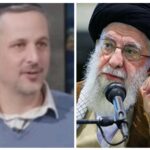
According to Traiman, the trajectory of the conflict was effectively decided in its opening moments. He pointed to the elimination of Supreme Leader Ali Khamenei and the dismantling of the top of the Iranian regime’s entire command structure in the war’s very first strike. That single operation, he argued, fundamentally altered everything that followed, leaving Iran’s military apparatus operating without strategic leadership or coherent direction.
To support his assessment, Traiman pointed to the dramatic reduction in Iran’s daily ballistic missile output as concrete evidence of how badly the campaign has degraded Tehran’s capabilities. He noted that Iran had previously been assessed as capable of launching hundreds of missiles in a single day and had demonstrated this capacity during previous rounds of escalation in April and October of 2024. However, he said Tehran is now managing approximately 30 ballistic missile launches per day. While he acknowledged that this figure still represents a genuine threat that requires active defense, he described it as a tiny fraction of Iran’s supposed pre-war capability.
Traiman also drew attention to the visible devastation inflicted on Iran’s oil infrastructure following Israeli strikes. He described scenes of what he called apocalyptic black smoke spreading across Iran and burning fuel flowing through the gutters of Iranian streets. These images, he argued, represent a concrete and irreversible degradation of the regime’s economic foundation, stripping Tehran of a critical source of revenue that it relies on to fund both its government and its military operations.
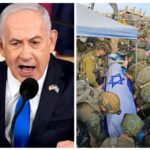
The Jerusalem News Service chief reserved particular criticism for commentators and media figures who continue to portray Iran as a viable or even victorious party in the conflict. He described such framing as pure propaganda that ignores the reality on the ground. Traiman noted that senior leaders on both the American and Israeli sides have expressed confidence that Iran is being comprehensively defeated. He said US Secretary of Defense Pete Hegseth, Israeli Prime Minister Benjamin Netanyahu, and Israeli Defense Minister Israel Katz have all publicly stated that Iran is losing the conflict decisively, with Netanyahu declaring publicly that this is no longer the same Iran and no longer the same Middle East.
The conflict has drawn global attention and raised serious concerns about its impact on international energy markets, regional stability, and the broader geopolitical order in the Middle East. The destruction of Iranian oil infrastructure in particular has been closely watched by energy analysts who warn that prolonged disruption to Iran’s crude exports could have ripple effects on global oil prices and supply chains.
The situation also raises questions about what comes next for Iran’s political and military leadership structure following the reported elimination of Khamenei and senior commanders. Analysts say the loss of the supreme leader and top military figures represents an unprecedented blow to the Islamic Republic’s system of governance, which has been built around centralized religious and military authority since the 1979 revolution.
As the campaign enters its third week, the international community remains divided on the conflict. While some governments have expressed support for the US-Israeli operation, others have called for an immediate ceasefire and diplomatic engagement. The coming days are expected to be critical in determining whether the conflict escalates further or moves toward some form of resolution….See More
Source: Alex Traiman, CEO, Jerusalem News Service Bureau






Leave a Reply