According to a report by The Jerusalem Post on Thursday, March 12, 2026, recent U.S. intelligence assessments indicate that Iran’s governing structure remains largely intact and is not at immediate risk of collapse despite nearly two weeks of sustained military strikes by the United States and Israel, according to several sources familiar with the findings.
Officials briefed on the intelligence said multiple reports compiled by American agencies show that the Iranian leadership continues to maintain control of the country and the broader population. One source described the assessments as a “consistent analysis that the regime is not in danger” and said the government still retains significant authority over internal affairs.
The most recent intelligence evaluation was completed within the past few days, the source added. The findings come amid ongoing military operations targeting key Iranian infrastructure and leadership figures.
The conflict began after coordinated strikes by the United States and Israel killed Iran’s long-time supreme leader, Ali Khamenei, on February 28. The attacks marked a dramatic escalation in regional tensions and triggered a wider campaign against Iranian military assets.
Despite the loss of the country’s top leader and the deaths of several senior officials, U.S. intelligence suggests the governing structure has remained cohesive. The powerful Islamic Revolutionary Guard Corps (IRGC), which plays a central role in Iran’s military and political system, is believed to have maintained operational control alongside interim leadership figures.
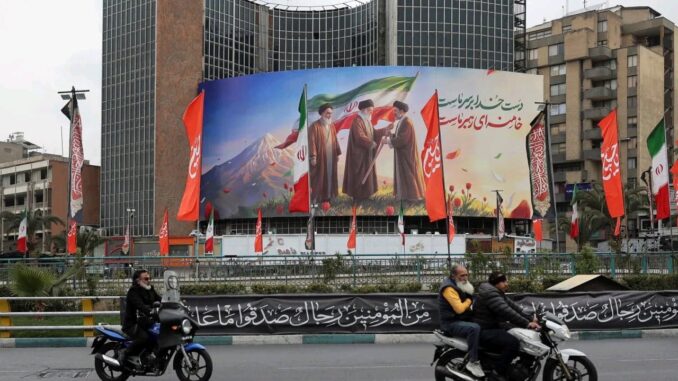
Earlier this week, Iran’s influential clerical body, the Assembly of Experts, named Khamenei’s son, Mojtaba Khamenei, as the country’s new supreme leader, signaling continuity within the ruling establishment.
The intelligence findings come as political pressure mounts in Washington over rising global oil prices and the prolonged nature of the conflict. Donald Trump, the U.S. president, has suggested that the current military campaign described as the largest American operation since the Iraq War began in 2003 could end soon.
However, analysts say bringing the war to a close may prove challenging if Iran’s leadership remains firmly entrenched.
In private discussions, Israeli officials have also acknowledged that the ongoing military campaign may not necessarily lead to the collapse of Iran’s clerical government. One senior Israeli official said there is no certainty that the strikes will result in regime change.
Since the beginning of the conflict, U.S. and Israeli forces have targeted Iranian air-defense systems, nuclear facilities, and members of the country’s senior leadership. Several high-ranking IRGC commanders have reportedly been killed in the attacks.
Still, intelligence reports indicate that Iran’s internal security apparatus and governing institutions remain functional.
Experts suggest that toppling the government would likely require a large-scale ground operation or a major internal uprising capable of overwhelming Iran’s security forces.
Some opposition groups have explored the possibility of launching armed campaigns against Tehran. Iranian Kurdish militias operating from neighboring Iraq have reportedly discussed potential operations with U.S. officials.
Among them is the Komala Party of Iranian Kurdistan, led by Abdullah Mohtadi, which has claimed that many young people in Kurdish regions are ready to fight the Iranian government if they receive American support.
Mohtadi said there are signs that Iranian security forces have withdrawn from certain positions in Kurdish areas out of fear of U.S. and Israeli strikes.
However, recent U.S. intelligence assessments have expressed skepticism about the militias’ ability to sustain a serious confrontation with Iranian forces. According to officials familiar with the reports, the Kurdish groups lack sufficient manpower and firepower to mount a sustained insurgency against Tehran.
Some Kurdish factions have reportedly asked Washington to supply them with weapons and armored vehicles. But President Trump said over the weekend that he had ruled out sending Kurdish fighters into Iran…..See More





Leave a Reply