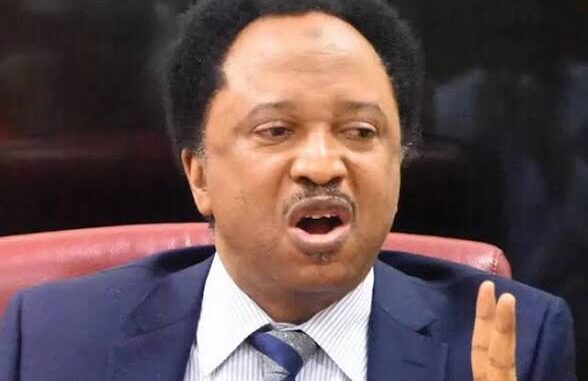
Former Senator Shehu Sani has weighed in on the deportation agreement signed between Nigeria and the United Kingdom during President Bola Ahmed Tinubu’s state visit, framing it as a diplomatic courtesy and contrasting it sharply with the approach he believes United States President Donald Trump would take if faced with a similar situation. Sani argued that while the UK engaged Nigeria through formal channels and bilateral negotiation, Trump’s method would likely involve unilateral deportations, public insults, and the threat of sanctions without any pretence of partnership.
The agreement, signed during Tinubu’s visit to the UK in March 2026, the first Nigerian presidential state visit to Britain in nearly four decades, is designed to facilitate the faster removal of Nigerian nationals who have overstayed their visas, committed criminal offences, or had their asylum applications rejected. The deal comes at a time when the UK faces mounting domestic pressure on immigration, and the Nigerian government’s willingness to cooperate on removals was widely seen as a key component of the broader diplomatic package that accompanied the visit.
For the UK, the agreement addresses a practical problem. For Nigeria, it raises uncomfortable questions about sovereignty, reciprocity, and what the country receives in return for accepting the return of individuals the British system no longer wants. Sani positioned himself somewhere between the two poles of the debate, acknowledging the discomfort while arguing that the manner in which the arrangement was reached matters.
Sani made his position clear on the comparison between the two Western powers.
While no single direct quote was pulled from a verified post in the source material, Sani’s central argument was that the UK approached Nigeria as a partner and extended a level of diplomatic respect, whereas Trump would simply act, deport first, insult publicly, and impose consequences on any country that resisted.
The agreement has divided opinion sharply among Nigerians. Supporters of the deal, and of Sani’s framing, argue that this is how international diplomacy works. Countries negotiate, make concessions, and find arrangements that serve mutual interests even when the balance of power is unequal. They point out that the state visit itself carried symbolic weight and that the deportation pact was one element of a broader engagement that also covered trade, investment, and defence cooperation. In their view, Nigeria’s government made a pragmatic decision in a world where migration politics increasingly dominate the agendas of Western nations.
Critics reject that framing entirely. For them, the agreement amounts to Nigeria agreeing to receive people the UK considers undesirable without securing meaningful benefits in return. They argue that the deal lacks reciprocity and that Nigeria’s acceptance of faster deportations sets a precedent that other countries will exploit. Some have described it as a modern form of dumping, where Western nations offload their problems onto African countries under the cover of diplomatic language. The fact that the agreement was signed during what was supposed to be a celebratory state visit only sharpened the criticism, with some accusing the Tinubu administration of trading national dignity for international optics.
The debate touches on a much larger conversation about how African nations navigate their relationships with more powerful countries on matters of migration. Across the continent, governments are being pressured to accept deportees, sign readmission agreements, and cooperate with immigration enforcement regimes designed primarily to serve Western domestic politics. The question of what Africa gets in return, and whether these agreements genuinely reflect partnership or simply formalise an unequal arrangement, remains unanswered in most cases….See More








Leave a Reply