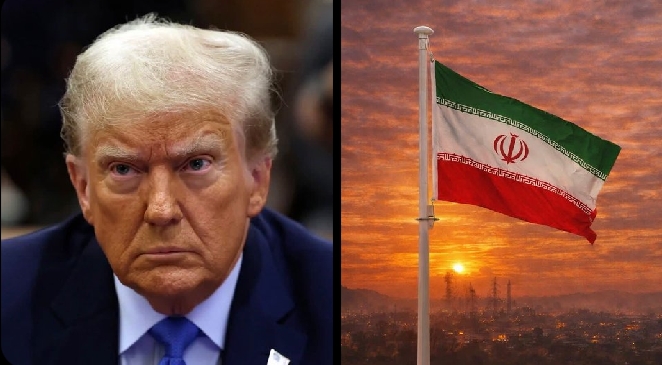
President Donald Trump has issued yet another ultimatum to Iran, giving Tehran forty-eight hours to either reach a deal with the United States or fully reopen the Strait of Hormuz to international shipping. The warning, accompanied by threats of severe consequences if compliance is not met, was illustrated in a post featuring a stern portrait of Trump alongside the Iranian flag. The message was clear in tone but familiar in substance. This is not the first time Trump has drawn a red line with Iran, set a deadline, and promised overwhelming retaliation. It is simply the latest.
The context remains the Strait of Hormuz crisis that has disrupted global energy markets since early 2026. Iran restricted shipping through the narrow waterway following a series of US and Israeli strikes on Iranian infrastructure, effectively choking off a chokepoint that carries roughly twenty percent of the world’s seaborne oil. The disruption has sent crude prices soaring, rattled supply chains, and placed enormous pressure on energy-importing nations across the globe. Reopening the Strait has been a stated US objective since the crisis began, but months of military pressure, diplomatic maneuvering, and repeated threats have yet to produce the result Washington demands.
Trump’s forty-eight-hour deadline is part of a now-visible pattern. Since March 2026, the administration has issued multiple ultimatums to Iran, each framed as final and each followed by extensions, recalibrations, or new threats when the previous deadline passed without the desired outcome. The credibility of the timeline has eroded with each iteration, and the latest warning has been met not with alarm but with weary scepticism from observers who have watched this cycle repeat itself.
BRICSinfo, which reported the ultimatum, framed it within the broader geopolitical struggle between the US-led Western bloc and the emerging coalition of BRICS-aligned nations that includes Russia, China, and Iran itself. From that perspective, Trump’s threats are not simply about the Strait. They are part of a larger contest over who sets the rules in the global system and whether American dominance can still be enforced through ultimatums alone.
User replies reflected widespread doubt. Many questioned why this forty-eight-hour deadline would be taken more seriously than the previous ones that came and went without the promised consequences. Others noted that Iran has successfully withstood American pressure for decades, survived crippling sanctions, and shown no indication that it will capitulate to threats no matter how dramatic the language. A smaller group of commenters warned that dismissing the ultimatum as bluster could prove dangerous if Trump decides that this time, he means it…. See More







Leave a Reply