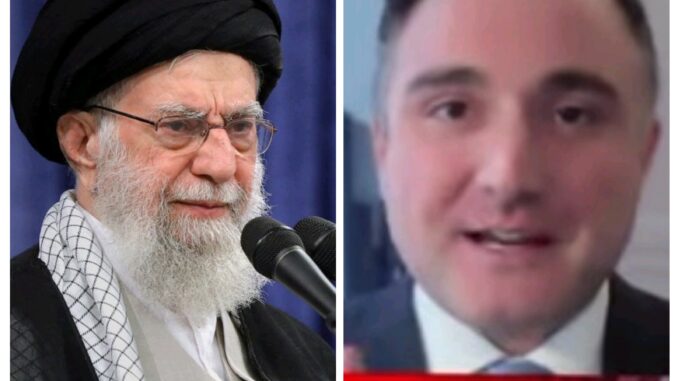
Erol Morkoc, spokesperson for Republicans Overseas, emphasized the feasibility of internal-driven change in Iran, pointing to established intelligence presence and societal divisions as key enablers. He stated that the “CIA and Mossad already operate in the country” and that “half the country is nearly secular-minded,” making it “not very hard to find allies” for challenging the regime.
These comments highlight a preferred pathway avoiding large-scale U.S. ground invasion amid rising tensions. In an interview with Al Arabiya, Morkoc described complete air supremacy as assured through deployments including F-22 Raptors and extensive naval assets, but stressed that ground-level transformation would be more sustainable if led internally. He posed the question of whether Iranians are ready to “step up and do what’s right to overthrow the yoke of the tyranny they’ve been under since the Islamic Revolution.”
Morkoc framed the current moment as critical, warning that without negotiations, Iran may entrench itself—with potentially fatal consequences. He advocated targeted actions such as removing top leadership or allowing their flight to safe havens, leveraging longstanding intelligence networks to identify and support opposition elements.
The nuclear issue underpins the urgency. Morkoc dismissed civilian enrichment claims, arguing that 60 percent uranium levels reveal intent to threaten Israel and dominate the region. He cited the regime’s clerical ideology and “Armageddon-style diplomacy” as reasons for deep distrust, asserting that refusal to relinquish nuclear material would necessitate removal.
Broader context includes Iran’s isolation, with the president admitting China’s effective abandonment after unfulfilled promises. Regional anticipation for regime fall—from Ankara to Tel Aviv—further constrains Tehran, leaving negotiation or swift U.S. strikes as primary paths. Morkoc predicted that hard action could trigger revolutionary change, potentially toppling Cuba and Venezuela alongside Iran within 90 days.
He expressed solidarity with ordinary Iranians, calling them victims and “our friends,” and clarified that U.S. objectives target nuclear proliferation and state terrorism sponsors, not civilians, through precision methods. Acknowledging past failures to adequately support protests, he pointed to the current armada as evidence that “help is on the way,” signaling sustained American resolve.
Morkoc’s analysis combines military deterrence with strategic opportunism, emphasizing internal dynamics and intelligence advantages to achieve lasting security gains while minimizing direct U.S. entanglement. This approach reflects a calibrated policy balancing strength, precision, and support for indigenous change in a high-stakes regional crisis…..See More





Leave a Reply