

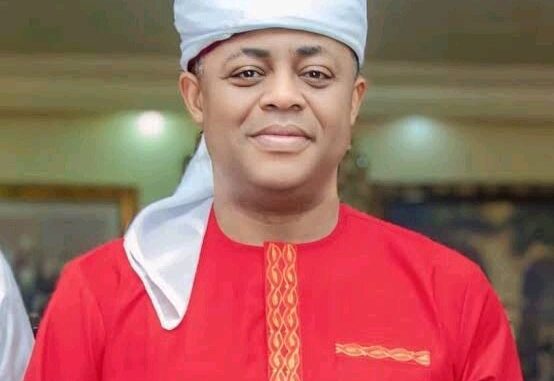
Former Aviation Minister and former Nigerian Ambassador to Germany, Femi Fani-Kayode, has stirred fresh controversy after accusing former Kaduna State governor Nasir El-Rufai of allegedly attempting to destroy the headquarters of African Independent Television during his time as Minister of the Federal Capital Territory. The allegation, shared in a series of posts on social media, has reignited debate about El-Rufai’s actions while serving in government and his relationship with prominent media figures.
In the posts published on his verified X account, Fani-Kayode rejected claims that El-Rufai had been a victim of political persecution, insisting instead that the former governor had a record of intimidating critics during his time in office. According to him, El-Rufai’s tenure as FCT minister was marked by aggressive actions directed at individuals and institutions perceived to be opposed to him.
Fani-Kayode specifically referenced the late media entrepreneur Raymond Dokpesi, founder of Daar Communications, which operates African Independent Television. He alleged that El-Rufai not only attempted to shut down the television station but also planned to burn down its premises as part of efforts to assert authority and silence opposition.
According to Fani-Kayode, the alleged move was directed at Dokpesi, whom he described as a respected elder statesman and influential figure in Nigeria’s media industry. He argued that the incident reflected what he characterized as a pattern of intimidation and suppression during El-Rufai’s time as a public official.
Fani-Kayode wrote that claims portraying El-Rufai as a victim of political attacks were misleading, arguing instead that the former governor had previously exercised significant power against perceived critics in both the media and political space.
The comments have sparked mixed reactions across political circles and on social media. Supporters of El-Rufai have dismissed the allegations as politically motivated, while critics say the claims revive long-standing debates about the former governor’s leadership style and his relationship with influential individuals and institutions.
Observers say the renewed accusations also highlight broader questions about governance, political accountability, and the treatment of private media organizations by public officials in Nigeria. Discussions around the issue have continued online, with commentators debating the credibility of the claims and the historical tensions between political authorities and media organizations.
The remarks, which were widely shared on X, have further intensified political conversations surrounding El-Rufai’s past actions in government and his role in Nigeria’s political landscape…..See More





Leave a Reply