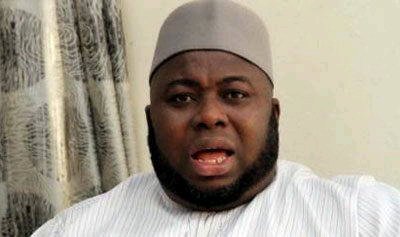
In a recent video shared on Facebook on Monday, March 2, 2026, a former Niger Delta militant leader Asari Dokubo has sharply criticized recent airstrikes and diplomatic pressure against Iran, asking global audiences why the Islamic Republic is now being “bombed” and “isolated.” Dokubo’s comments, shared on social media this week amid angry online debate, reflect growing international concern about escalating conflict in the Middle East and its global repercussions.
In a widely shared post, the former Niger Delta People’s Volunteer Force commander asked: “What has Iran done? What crime has Iran committed that they’re being bombed? They are being isolated.” This rhetorical question echoed throughout Nigerian social platforms and drew attention to the broader conflict between Iran, Israel and the United States.
The sharp critique comes as the U.S. and Israel have intensified military operations against Iranian targets following weeks of rising tension. According to international reporting, Tehran has been hit by airstrikes launched by U.S. and Israeli forces, who argue they are acting to prevent Iran from developing nuclear weapons and to degrade its military infrastructure. Iran’s government has condemned these attacks as violations of international law and vows repeated retaliation.
Iran’s foreign ministry and other officials view the strikes as aggressive actions that undermine diplomatic efforts and regional stability. In recent statements, Tehran has described itself as defending its sovereignty and right to self‑defense, insisting it did not initiate hostilities but was responding to external pressure and attacks.
Dokubo’s intervention in the discourse reflects a wider global debate over the justifications for foreign military intervention, especially when civilian populations are affected. Critics of the strikes cite reports of civilian casualties and infrastructure damage, raising questions about proportionality and international norms. Supporters of the actions argue they are necessary to curb what they describe as destabilizing policies by Iran, including support for proxy groups in the region.
Analysts note that Iran’s growing diplomatic isolation is partly the result of a decades‑long series of confrontations with Western powers and neighbouring states over its nuclear program, regional influence and support for militant groups across the Middle East. But perspectives on these issues vary, with many voices — like Dokubo’s — questioning whether current military escalation is justified or productive.
“We should look beyond fear and blame,” he added, urging more global dialogue and warning that cycles of violence only deepen international divisions and suffering.
As tensions remain high and diplomatic channels strained, global reactions continue to diverge — from calls for de‑escalation and negotiation to warnings of broader conflict if hostilities continue…..See More





Leave a Reply