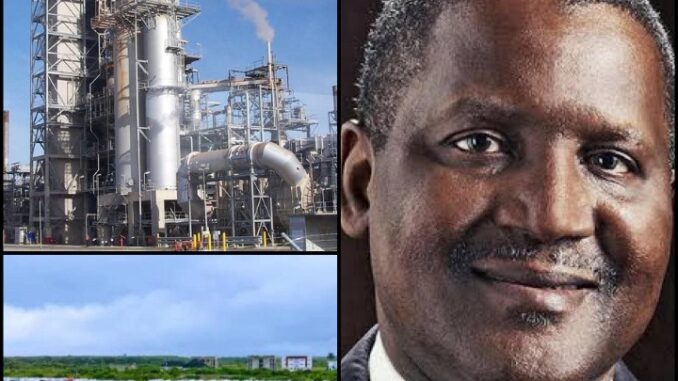
The Dangote Refinery reached full operational capacity of six hundred and fifty thousand barrels per day in February 2026 and has begun exporting gasoline across Africa, marking a historic shift for a continent that has long depended on fuel imports from Europe, Asia, and the Middle East despite possessing vast crude oil reserves.
In March alone, the refinery shipped twelve cargoes totaling four hundred and fifty-six thousand tonnes of refined petroleum products to Tanzania, Ivory Coast, Cameroon, Togo, and Ghana. By early April, reports indicated that the number of export cargoes had risen to seventeen, a pace that positions the Lagos-based facility as a key alternative supplier for African nations at a time when global supply chains are under strain from the US-Iran conflict and disruptions to traditional shipping routes.
The achievement is not just a commercial milestone. It is a validation of a project that faced years of delays, cost overruns, scepticism, and predictions of failure. Aliko Dangote, Africa’s richest man and the driving force behind the refinery, staked his reputation and billions of dollars on the belief that Nigeria could build and operate a world-class refining facility. The fact that the refinery is not only operational but exporting at scale to neighbouring countries is proof that the bet has paid off, at least in terms of production capacity and regional market penetration.
The timing could not be better. Global fuel markets are in turmoil. The closure of the Strait of Hormuz, ongoing strikes on energy infrastructure in Iran and the Gulf, and the broader instability across the Middle East have disrupted supply chains and driven prices to levels that make locally refined fuel economically attractive even when crude has to be imported and processed. For African countries that have historically relied on refined products shipped from Europe or Asia, the ability to source fuel from a refinery within the continent reduces shipping costs, transit times, and exposure to global supply shocks.
The exports also promote intra-African trade, a priority for the African Continental Free Trade Area and regional economic integration efforts that have long struggled to move beyond policy documents into practical implementation. Fuel is a high-value, high-demand commodity, and the fact that it is now moving between African countries through African infrastructure represents a tangible step toward the kind of economic self-reliance that the continent has been promised but rarely delivered….See More







Leave a Reply