A wave of criticism has trailed reports that the Katsina State Government is considering the release of 70 suspected bandits as part of efforts to resuscitate a struggling peace initiative with armed groups operating in the state. Leading socio-political organisations, including Afenifere, the Arewa Consultative Forum, Ohanaeze Ndigbo and the Middle Belt Forum, have openly faulted the proposal.
Speaking separately to The Punch, the groups warned that the plan could have far-reaching consequences, describing it as imprudent and capable of worsening the country’s security challenges. They called on the Federal Government to step in and stop what they see as an action that could set a troubling national precedent.
Disapproval has not been limited to voices outside the state. Within Katsina, prominent religious and community leaders have also pushed back against the idea, expressing fears that freeing individuals accused of violent crimes would expose residents to renewed danger. They cautioned that such a move could undermine public safety and erode confidence in efforts to address insecurity.
The controversy comes at a time when Katsina has been grappling with persistent bandit attacks. Available figures suggest that more than 1,500 civilians were killed between 2021 and 2025, underscoring the scale of the crisis. Against this background, the government’s approval of the release of 70 suspected bandits—linked to negotiations with armed groups—has sparked widespread debate, with critics arguing that it compromises justice and could embolden criminal elements.
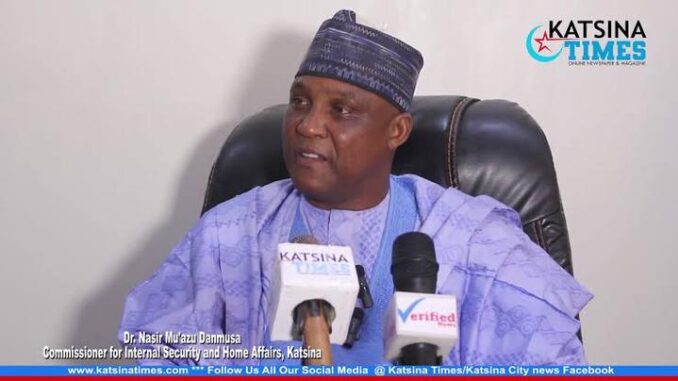
Despite the backlash, state officials have stood by the policy. The Commissioner for Internal Security and Home Affairs, Dr Nasir Mu’azu Danmusa, maintained that the decision is part of a broader, community-based strategy designed to stabilise troubled areas and reinforce an ongoing peace process.
The commissioner added, “World over, everyone knows that after a war is fought, there are usually prisoner exchanges. If you take Nigeria, for example, during the civil war, many prisoners were set free and exchanged between the Nigerian side and the Biafran side.
“If you look at the issue of Boko Haram, prisoners were also released after an agreement was reached. Even the Chibok girls who were released also saw some Boko Haram members who were in prison, set free too. Both warring groups have prisoners they set free for the other.”
He argued that the central concern was not the question of culpability, but the attainment of peace, noting that the exchange of detainees has long been a recognised tool in conflict resolution. According to him, such measures are neither novel nor unusual in the context of war and peace negotiations.
He further maintained that the actions taken by the Ministry of Justice and the High Court were in line with existing legal provisions. He added that those who disagreed with the decision were free to challenge it through the courts and pursue appropriate legal remedies.
If you love political news or like to get more news happening around the globe, use the button below to get more verified news happening around Nigeria and the world today.






Leave a Reply