German Chancellor Friedrich Merz has said that Iran has proven “clearly stronger than many thought” in the ongoing conflict with the United States, while criticizing Washington for lacking a convincing long-term strategy.
Speaking during a school visit, Merz warned that the situation risks turning into a prolonged quagmire similar to past US engagements in Iraq or Afghanistan.
According to reports shared by BRICSinfo, Merz observed that Iranian officials have demonstrated notable resilience and strategic maneuvering throughout the conflict.
He suggested that Tehran has either negotiated skillfully or managed to avoid talks in ways that preserve its leverage. His comments come amid months of military tensions and diplomatic uncertainty surrounding Iran’s regional role and nuclear ambitions.
Merz reportedly cautioned that without a clear and achievable objective, external military involvement could become open-ended. Drawing parallels to previous Western interventions, he warned of the dangers of mission creep and prolonged instability.
The German leader’s remarks represent one of the more direct public critiques of US strategy from a senior Western official since the conflict escalated.
At the same time, Merz was sharply critical of Iran’s leadership. He noted that the ruling establishment, particularly the Islamic Revolutionary Guard Corps (IRGC), is effectively humiliating the country and imposing heavy costs on its population during the war. His statement highlighted the distinction between the Iranian state apparatus and the broader Iranian society.
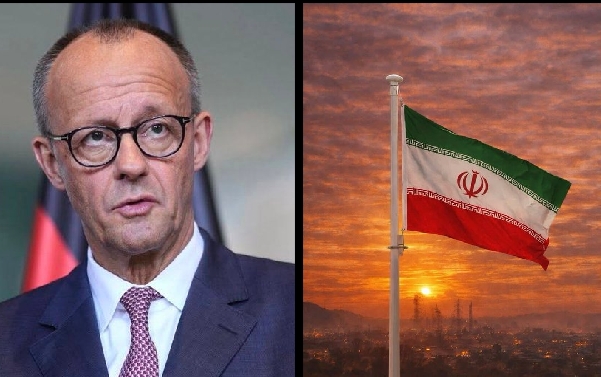
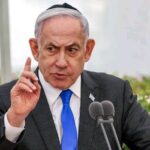
The BRICSinfo post featuring Merz’s remarks included images of the German chancellor and the Iranian flag, drawing attention to his assessment amid heightened geopolitical tensions. Online reactions have been divided.
Some commentators praised Merz for acknowledging Iran’s military and political resilience, while others focused on his warning about the lack of a clear US strategy.
Iranian opposition voices on social media responded with strong criticism of Tehran’s leadership, pointing to reports of executions, digital blackouts, and crackdowns on dissent during the conflict.
Some users called for greater international support for opposition figures, including Reza Pahlavi, framing the war as intertwined with domestic repression….See More

Leave a Reply