
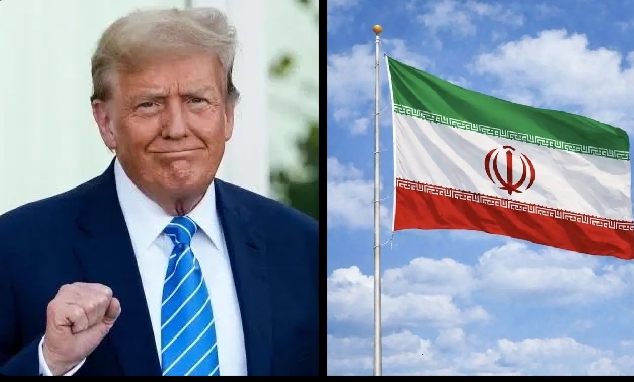
A United States delegation will demand the release of detained Americans in Iran as part of ongoing negotiations aimed at solidifying or extending the fragile two-week ceasefire between the US, Iran, and Israel.
The talks, reported by the Washington Post and shared by BRICSinfo, are being led by Vice President JD Vance and include envoys Steve Witkoff and Jared Kushner. The negotiations are taking place in Islamabad, Pakistan, which has positioned itself as a neutral mediator between Washington and Tehran in a conflict that has already produced thousands of casualties, widespread infrastructure destruction, and a humanitarian and economic crisis that extends far beyond the immediate combatants.
Iran currently holds at least six US citizens or dual nationals in detention, individuals who have been imprisoned on charges ranging from espionage to violating Iran’s security laws. The detentions are widely viewed by the US government and human rights organisations as politically motivated, with prisoners being used as leverage in the longstanding bilateral tensions between the two countries. Historically, the release of American prisoners from Iran has been tied to prisoner swaps, the unfreezing of Iranian assets, or broader diplomatic agreements, and the inclusion of prisoner release as a demand in the current negotiations suggests that the US views the ceasefire talks as an opportunity to address multiple grievances simultaneously rather than focusing solely on the military aspects of the conflict.
The decision to include Jared Kushner in the delegation is notable. Kushner, a former senior advisor to President Trump and the architect of several Middle East initiatives during Trump’s first term, brings both experience and controversy to the negotiations. His involvement signals that the administration views the talks as high-stakes and is deploying figures with established relationships and credibility in the region, even if those relationships are contentious. Steve Witkoff, a real estate investor and Trump ally, adds a business-oriented perspective to the delegation, suggesting that economic incentives or deals may be part of the broader negotiation strategy.
The fact that the talks are happening in Islamabad rather than a neutral European capital or a Gulf state underscores Pakistan’s role as a key intermediary. Pakistan maintains diplomatic and security ties with both the US and Iran, a position that gives it unique access and credibility as a broker. The country has facilitated backchannel communications between the two sides throughout the conflict, and the decision to hold formal negotiations in Islamabad is a recognition of that role and an acknowledgment that neither Washington nor Tehran trusts any other location or mediator enough to sit down together….See More




Leave a Reply