
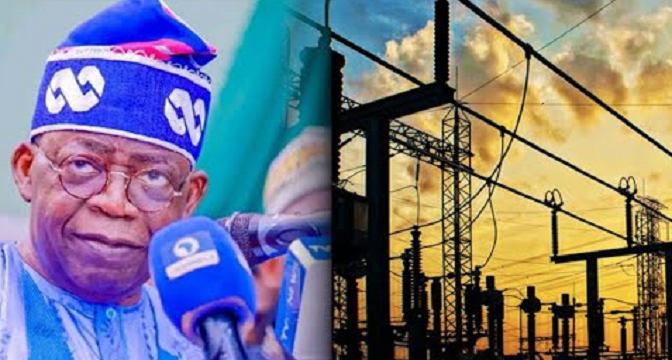
President Bola Ahmed Tinubu’s administration has announced the settlement of three point three trillion naira in power sector legacy debts accumulated between 2015 and 2025, framing the payment as a full resolution of outstanding obligations after a comprehensive verification process.
Some generation companies have reportedly signed agreements confirming receipt of settlements totaling two point three trillion naira.
The announcement was presented as a major step toward stabilizing Nigeria’s electricity sector and clearing the financial logjam that has kept generation companies, distribution companies, and the national grid locked in a cycle of insolvency, underperformance, and mutual blame.
The Association of Power Generation Companies, however, has disputed the three point three trillion naira figure, stating that prior reconciliations conducted between the government and the GenCos placed the total debt at four trillion naira or higher, with some estimates reaching as high as six to six point eight trillion naira depending on how penalties, accrued interest, and unpaid capacity charges are calculated.
The GenCos are demanding clarification on the methodology used to arrive at the three point three trillion figure and a detailed financial breakdown that shows how the settlement was distributed and what portion of the original debt remains unpaid or written off.
The dispute is not just about numbers. It is about credibility, transparency, and whether the latest debt settlement will produce different results from the multiple previous announcements that promised to fix the power sector but left the fundamental problems untouched.
Nigeria has seen several rounds of debt forgiveness, bailouts, and settlements over the past decade, each accompanied by assurances that the sector would finally stabilise and deliver reliable electricity to homes and businesses. The results have been consistent. announcements are made, some money changes hands, and the blackouts continue.
The power sector’s financial structure is opaque and deeply dysfunctional. Generation companies produce electricity that distribution companies often cannot pay for because consumers either do not pay their bills or are not billed accurately due to metering failures. The distribution companies owe the transmission company, which in turn owes the generation companies. The government periodically steps in to settle portions of the debt, but without addressing the underlying revenue collection, tariff, and infrastructure problems, the debt simply rebuilds….See More


Leave a Reply