
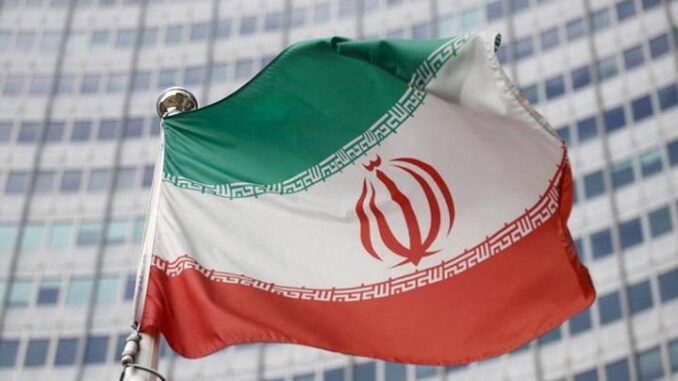
According to Al Jazeera, tensions across the Gulf are rising as Iran warns its neighbors against allowing foreign powers to wage war from their soil, a stark reminder of how regional conflicts are spilling far beyond national borders. Iranian President Masoud Pezeshkian issued the warning on Saturday, addressing countries hosting United States military bases. “We have said many times that Iran doesn’t carry out preemptive attacks, but we will retaliate strongly if our infrastructure or economic centers are targeted,” he wrote on X. “To the countries of the region: If you want development and security, don’t let our enemies run the war from your lands.”
The caution comes as the US-Israel offensive against Iran enters its second month, following the February 28 strikes that killed Supreme Leader Ayatollah Ali Khamenei. Tehran has responded with missile and drone attacks targeting Israel, and increasingly, countries housing US military assets, including Kuwait, the United Arab Emirates, Oman, Bahrain, and Saudi Arabia.
In Kuwait, drone strikes on the international airport damaged its radar system but caused no casualties, according to state media. Abu Dhabi saw debris from strikes near the Khalifa Economic Zone injure six people and disrupt facilities, while in Oman, two drones struck the port of Salalah, injuring one and halting shipping operations for 48 hours. In Saudi Arabia, air defenses reportedly intercepted ballistic missiles and drones, following an earlier Iranian assault on Prince Sultan Air Base that wounded at least 15 American troops.
Iran’s military also claimed attacks on a Ukrainian anti-drone system in Dubai, intended to assist US forces, though Ukraine denied the report. Across the Gulf, alarm sirens and emergency warnings have become daily occurrences, highlighting how quickly the conflict has expanded beyond Iran’s borders.
For Tehran, the message is strategic and psychological: neighboring countries must avoid becoming staging grounds for attacks. For the Gulf states, the challenge is immediate and tangible, protecting civilians, critical infrastructure, and economic lifelines while navigating a war that has transformed the region into a volatile theater of uncertainty.
As the conflict intensifies, the consequences are no longer confined to the battlefield. From disrupted airports to wounded civilians and halted shipping, the ripple effects of the US-Israel war on Iran are reshaping daily life and regional security across the Gulf….See More




Leave a Reply