Abdul Oroh, Nigerian author and pro-democracy advocate has recounted his experience witnessing public executions during Nigeria’s military era, describing them as defining moments in the country’s justice system.
Oroh made the disclosure during an interview on the State Affairs with Edmund Obilo Show, where he spoke about episodes captured in his book, Demonstration of Craze: Struggles and Transition to Democracy in Nigeria. The discussion focused on the harsh enforcement measures adopted by military governments, particularly in the fight against drug-related offences.
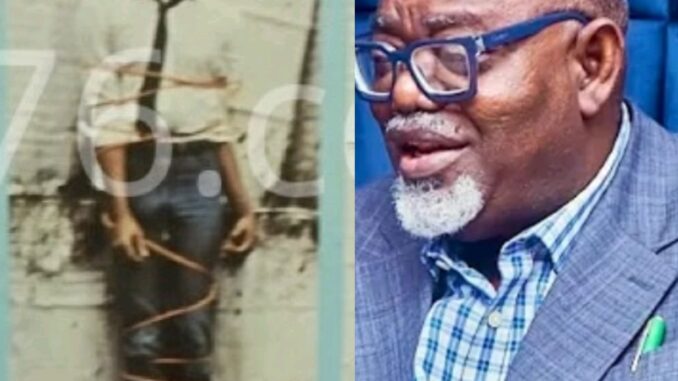
Reflecting on his time as a journalist, Oroh said, “I watched public executions as a journalist at the Kirikiri Prison of drug traffickers from Bartholomew Owoh, Lawal Ojulope.” His remarks reference executions carried out in the 1980s under strict anti-drug decrees introduced by the military regime.
The executions, which were conducted publicly, were intended to serve as a deterrent against drug trafficking but drew widespread criticism from human rights observers both within Nigeria and internationally. The case of Bartholomew Owoh, in particular, remains one of the most controversial, as debates continue over the fairness of the trial and the retroactive application of the law under which he was convicted.
Oroh noted that witnessing such events firsthand underscored the severity of military rule and its approach to justice, where swift and often irreversible punishments were used to enforce discipline. He suggested that these actions reflected a broader pattern of governance marked by authoritarian control and limited regard for due process…..See More



Leave a Reply