
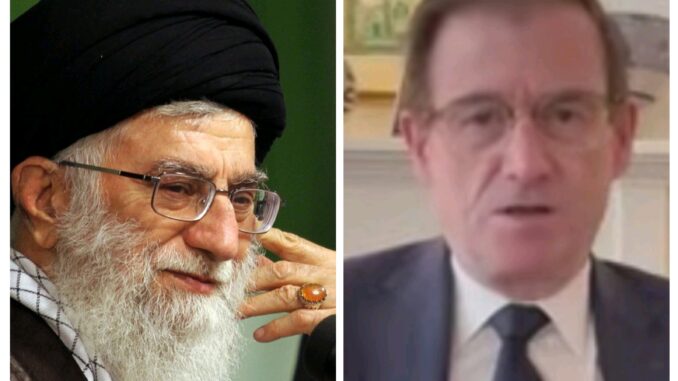
Iran lacks the military capacity to sustain a serious confrontation against the combined strength of the United States and Israel, former senior US. diplomat Ambassador David Hale told Al Arabiya. Hale bluntly assessed that Tehran “cannot face the might of the United States and Israel,” pointing to historical precedent — particularly the tanker war era — when Iran quickly backed down after realizing it was significantly outgunned.
The ambassador argued that Iran’s leadership has already absorbed this painful lesson and understands the devastating consequences any attempt at full-scale regional war would bring to its own capabilities. While acknowledging that Tehran’s threats of massive retaliation should not be entirely dismissed, Hale expressed strong skepticism that the regime would actually choose to escalate to that level, given the mismatch in power.
General Joseph Votel offered a parallel assessment, warning that although Iran retains the ability to cause short-term chaos — through ballistic missile strikes on oil infrastructure, actions in the Strait of Hormuz, or activation of remaining proxy networks — these options would not produce lasting strategic gains. He described Iran’s current proxy network as badly damaged but still capable of limited disruptive actions, underscoring that even these moves carry high risk for a regime already under severe internal and external pressure.
William Lawrence added that Iran’s repeated pattern of delaying, posturing, and then conceding just enough to avoid immediate catastrophe reflects its recognition of this fundamental military imbalance. Together, the three experts painted a picture of a significantly weakened Iran that continues to issue warnings but operates under severe constraints imposed by superior opposing firepower.
If you love political news or like to get more news happening around the globe, use the button below to get more verified news happening around Nigeria and the world today.





Leave a Reply